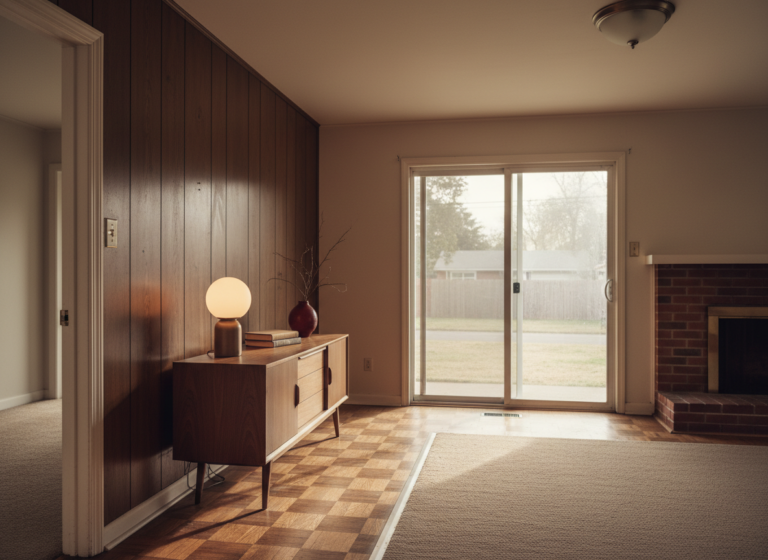
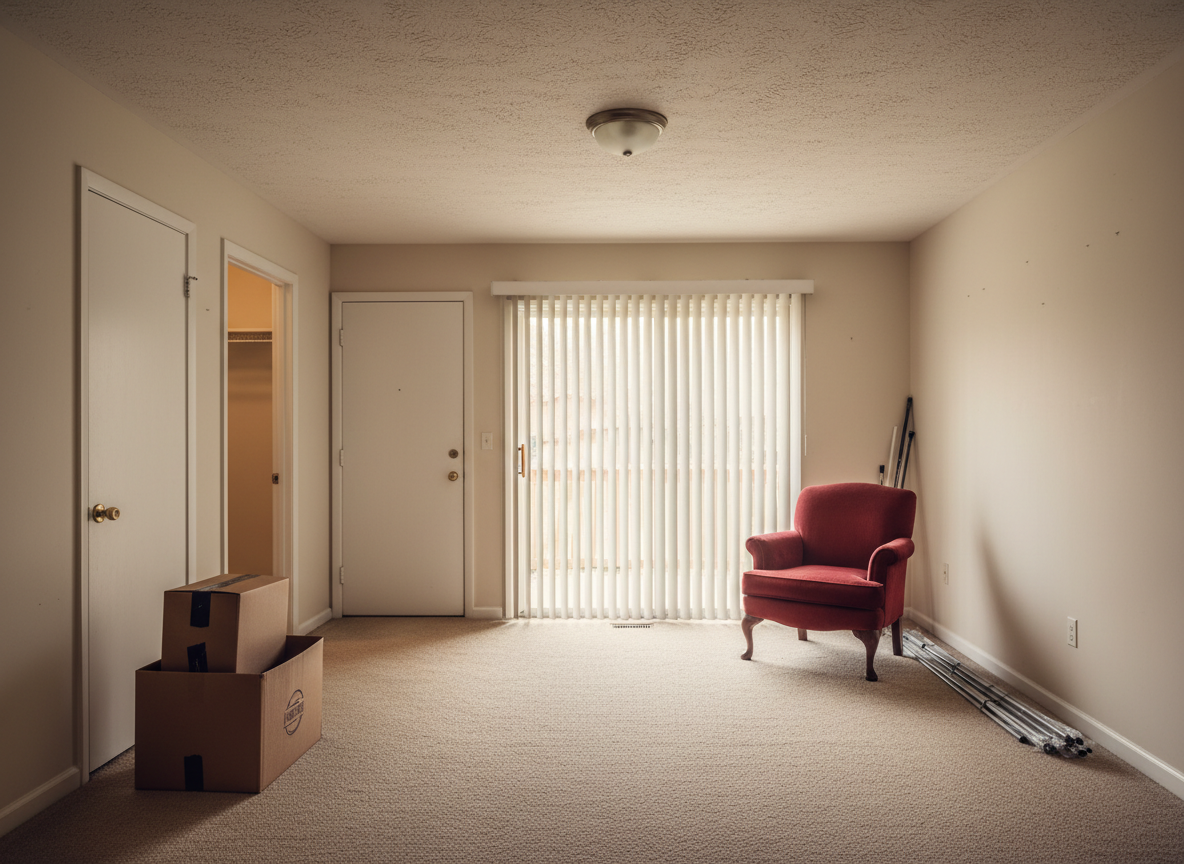
Most new-apartment shopping lists are priority lists wearing the wrong name. They tell you what to buy first because it matters most: bed, then a place to sit, then somewhere to eat. They don’t tell you what to buy first because every other purchase depends on it. Those are two different questions, and the wrong answer to the second one is what shows up on Facebook Marketplace at month four.
The math is uglier than the lists let on. Somewhere between a quarter and a third of what a first-apartment renter buys in week one gets replaced, resold, or shoved into a closet by month six. The fix isn’t a better list. It’s reading the sequence the apartment is actually asking for. Buy what unlocks what, instead of buying what calms the anxiety of an empty room first.
Order of purchase is a dependency problem, not a priority problem
The first thing I bought for the first rental I lived in was a rug. It was on sale, it was the right color, and the sofa I’d ordered hadn’t arrived yet. The rug was an 8×10. When the sofa showed up, it took the rug into territory it wasn’t built for. Half on, half off, the back legs floating on bare carpet. I knew the rug-sizing rule. What I didn’t know was that the rug couldn’t get bought before the sofa did.
Every renter I’ve talked to about their first apartment has a version of this. The wrong rug, the wrong nightstand, the wrong curtain length, the wrong coffee table — all of them get bought first because the right one had to wait for a piece nobody had thought of yet. Order-of-purchase isn’t a priority question. It’s a question about which decision contains which. Bed contains lamp height. Sofa contains rug size. Window contains rod position. Eat-surface contains chair count. Four “container” purchases sit at the top of the dependency graph. Everything else hangs off them.
Four purchases that unlock everything else, in this order
Buy these four first, and in roughly this order. Almost nothing else can be bought right until at least one of them is settled.
| Purchase | What it unlocks | Why this slot in the order |
|---|---|---|
| 1. Bed (mattress + frame) | Nightstand height, bedside lamp, sheet sizing, the bedroom layout itself | Sleep is non-negotiable on Day 1. The bedroom also anchors your daily routine before the living room does. |
| 2. Sofa | Rug size, coffee-table height and depth, side-table type, the lighting plan for the room | Rugs are sized off the sofa, not the room. Buy this second so everything in the living room can size to it. |
| 3. Eat-surface (table, bistro, counter stool) | Chair count, pendant scope, the “third zone” the living room turns into if you skip this | If you don’t claim a dining zone in week one, the sofa silently expands to swallow it by month three. |
| 4. Bedroom window covering | Sleep schedule, the morning routine, the order in which everything else gets done | Cheap roller blinds count. Black-out before pretty. Aesthetic curtains are a month-three purchase. |
The order is deliberately ruthless about sleep first, dining second-to-last, and aesthetics last. Most lists put curtains in week one because they “make a room feel finished.” They do. They also get re-bought when the curtain rod is six inches off, or when the panels are eighteen inches too short, or when the rod can’t clear the window’s operable hardware because nobody measured. Buy a $15 set of temporary roller blinds the day you move in and let the pretty curtains wait until you’ve slept in the room for a month.
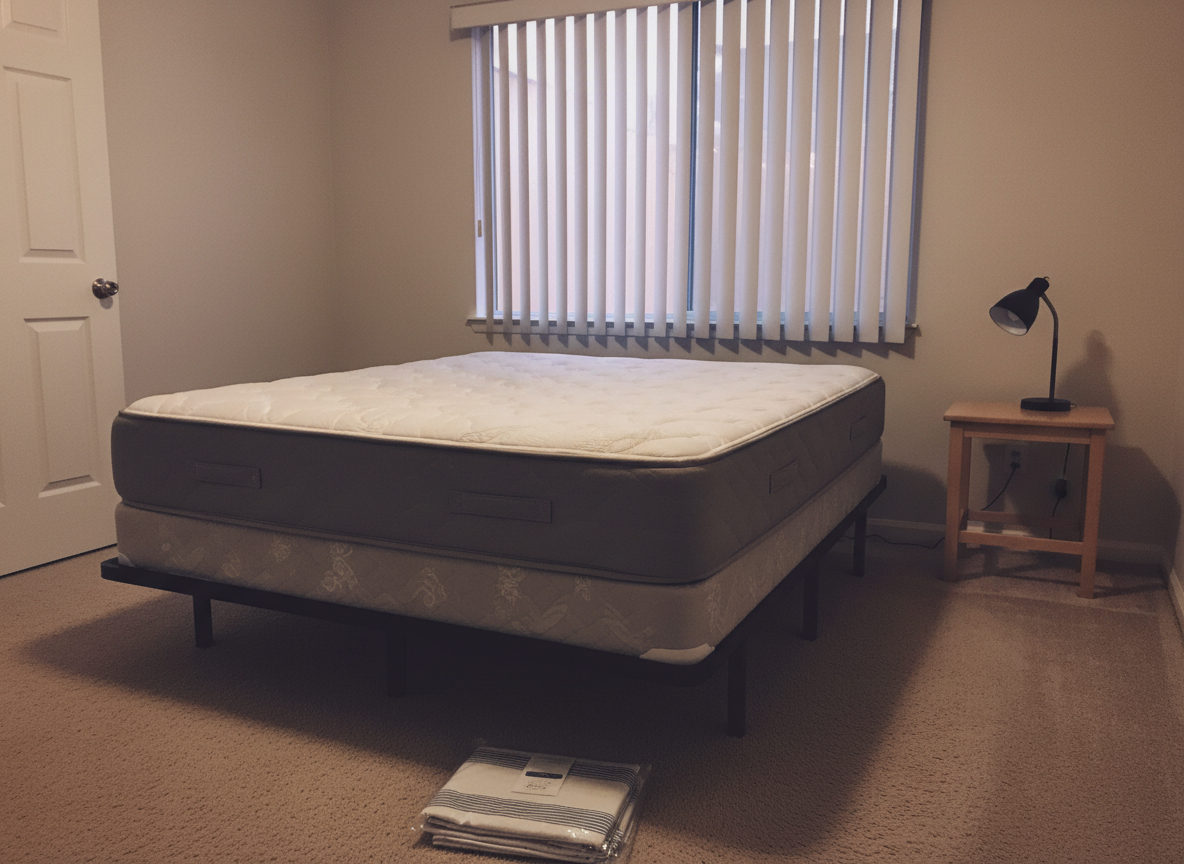
Move-in night. The bed and a clip-on lamp are the only purchases that needed to happen today.
Where renter logic flips the homeowner sequence
Standard order-of-purchase lists assume you’re going to live there for years. Renter logic adjusts in three places, and the savings show up fast.
Don’t buy custom-fit anything in week one. The instinct is to measure the windows on Day 2 and order curtains to exact length, then learn on Day 14 that the radiator under the window forces the rod six inches higher than you measured, and the panels are now too short. Buy cheap shelf-curtains for two weeks. The exact-fit purchase belongs to month two, after you’ve watched the light move through the room and tested where the rod has to clear.
Every “buy nice once” purchase needs the doorway test first. A sofa that fits the room but not the front door, the elevator, or the turn at the top of the stairwell is the first-apartment classic. Measure your narrowest doorway diagonally, not the room. Run the doorway check before the credit card, every time. Our coffee-table sizing guide walks through this for the piece that gets it wrong most often.
Your sense of the apartment on Day 3 is wrong. The light moves differently than you noticed during the walk-through. The kitchen runs warmer. The neighbor’s HVAC vent is louder. Wait until you’ve cooked a real meal in the kitchen and slept four full nights in the bedroom before buying anything decorative. Art, accent pillows, candles, the second rug for under the dining table: none of those decisions are reliable until the apartment has shown you what it actually feels like to live in.
What the wrong order looks like at month two
The price of buying out of sequence isn’t theoretical. These are the rebuys I see most often when someone tells me their first apartment “isn’t coming together” by month four.
- Month 2Bought a rug before the sofa arrived. Rug is too small. Either rebuy or move it to a bedroom and start over.
- Month 2Bought curtains at window-frame width instead of rod-to-floor. The window looks shrunken. Replace with longer, wider panels mounted near the ceiling.
- Month 3Bought decorative pillows that matched the imagined sofa color, not the actual one. Sell or redistribute to bedroom.
- Month 3Bought a coffee table before sitting on the sofa. Either too tall (knees hit) or too low (you slouch to reach it).
- Month 4Bought art before living in the apartment. The room’s actual light pulls the colors flatter than the listing photo did. Move pieces around or rebuy.
- Month 6Bought the “starter set” cookware. Replace once you know what you actually cook (most renters need two pans and a pot, not twelve pieces).
None of these mistakes are about taste. They’re about sequence. Every one of them is a Week-One purchase that needed a Month-Two piece of information to be made right. The renters whose first apartments come together by month three aren’t the ones with the best eye for color. They’re the ones who let the apartment tell them what to buy next, and didn’t try to finish the room before the room had unpacked.
For the order-of-purchase version of all of this, the stage-by-stage priority list is the companion piece. It covers the four-week phased timeline a new lease actually asks for, the dependency graph, the renter overrides, and the dining-zone defense. Read this post for the why; read that one for the checklist.
$39 / year — join.cozyclub